
3 Ways Outdoor and Adventure Brands Miss Out on Maximizing Return on Their Events
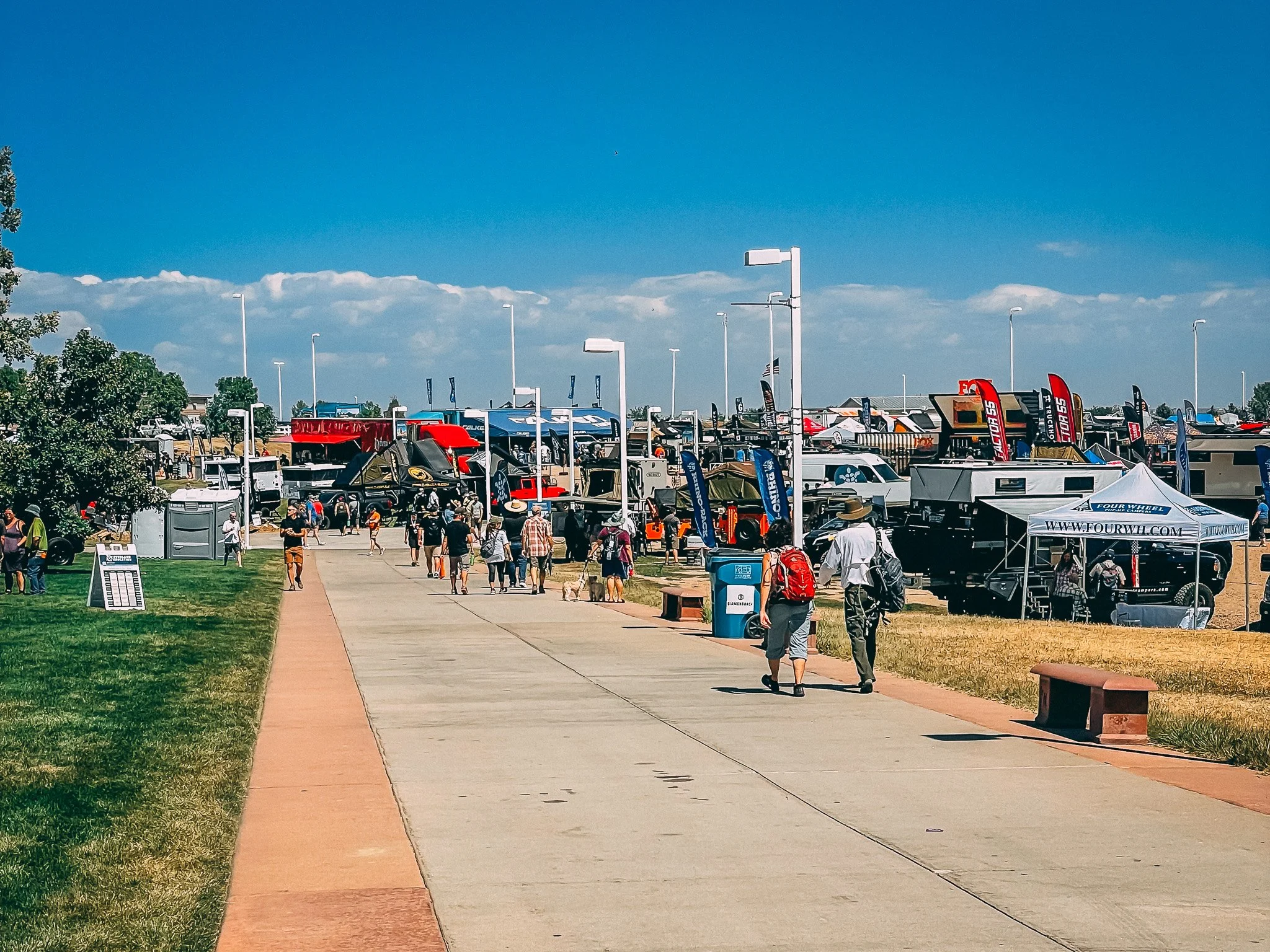
The biggest mistake most brands make at events isn’t what they do at the event. It’s what they don’t do to extend their reach far beyond the people in attendance.
It’s easy to focus your entire effort on the people physically in front of you — the ones walking the show floor, stopping at the booth, or swapping trail and camp stories over a tailgate. Those connections matter, but the people at the event are just the starting point.
A good event reaches far beyond the venue through hashtags, coverage, tagged posts, and community pages. If your marketing stops with the people who shook your hand in person, you’re leaving most of your potential ROI on the table.
These three ideas help you extend your impact far beyond the people who were there.
1. Co‑create content with another brand
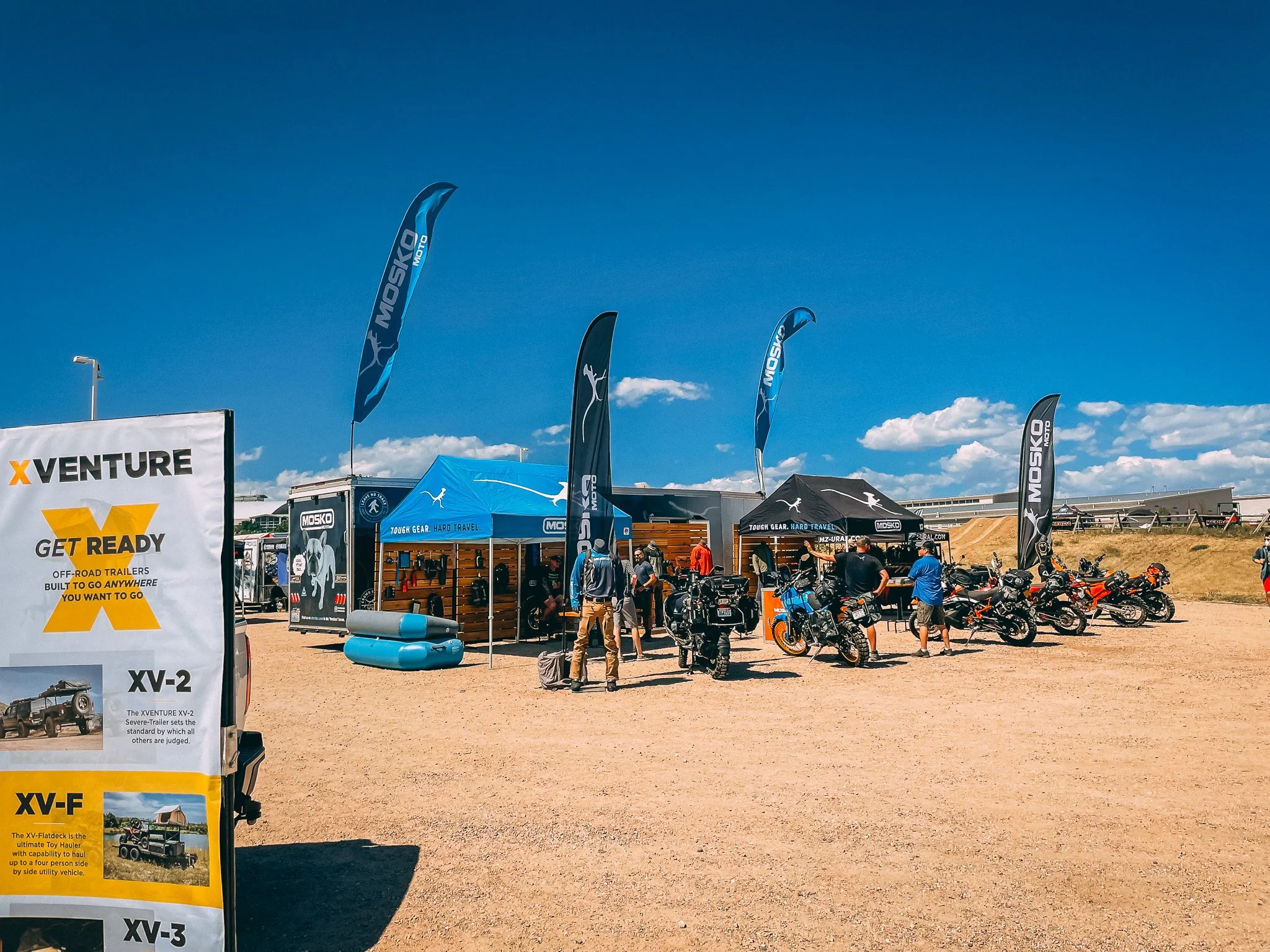
This is one of the highest‑leverage moves most adventure brands never make intentionally: partner with a complementary brand from the event to create content together so you both reach each other’s audiences.
If you have 1,000 followers and the gear, campground, or outfitter brand you connected with has 1,500, a well‑executed collaboration gives both of you exposure to roughly 2,500 people without spending a dollar on ads.
How to do it on Instagram
Instagram’s Collab feature is built for this.
Create your post (photo or Reel) as you normally would.
Before publishing, tap Tag people → Invite collaborator.
Search for and select the other brand’s account.
Publish. They’ll get a notification to accept.
Once they accept, the post appears on both feeds and shares likes, comments, and reach.
To maximize reach:
Tag the event account (the official show or festival handle).
Tag the city, venue, or trail/area.
Tag any brands, sponsors, or organizations who were part of the moment.
Use event‑specific hashtags so the post keeps surfacing in searches long after everyone goes home.
Example caption:
“Two brands, one campsite. We linked up with @[PartnerBrand] at this week’s show to talk [topic: recovery setups, family camping, overlanding with dogs, etc.]. Here’s what we’re running and why. Follow them if you want more ideas like this.”
How to do it on Facebook
Facebook doesn’t have the same Collab tool, but you can get a similar effect:
Tag the other brand’s page in your post so it appears on their page’s “tagged” section.
Ask them to share your post directly to their page.
Share the post into relevant groups (overlanding groups, regional camping communities, 4x4 clubs, RV/camping show groups) with both brands tagged.
Consider a quick joint Facebook Live — a 5–10 minute conversation about what you both saw or learned at the event.
You’re not just sharing a photo. You’re telling the story of a real connection that happened in a real place. That’s what gets shared.
2. Make a talking‑head video: tell your audience what you’re up to
This one is simple, which is exactly why it works.
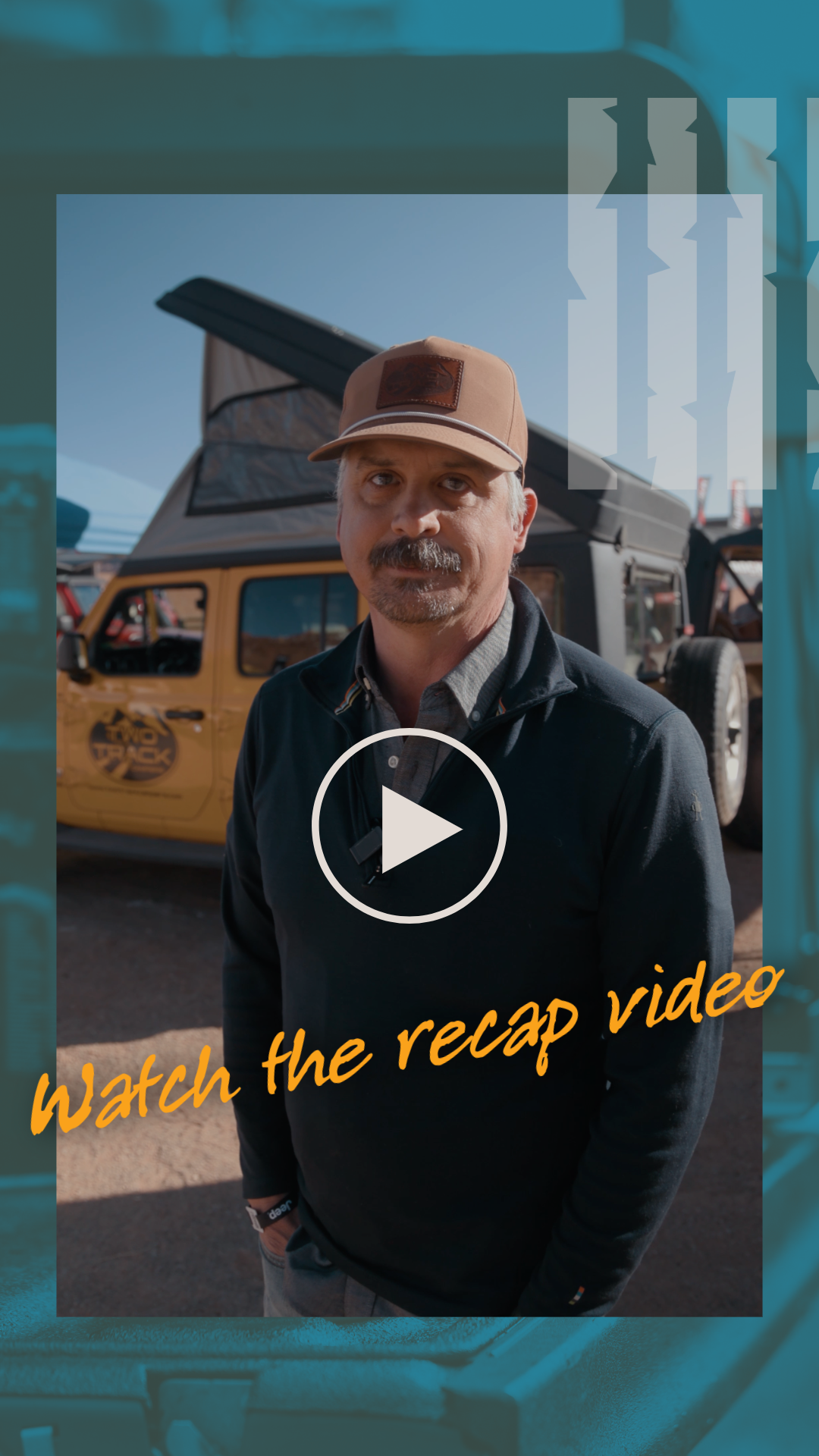
While you’re at the event, film a short, straight‑to‑camera video where you just tell your audience what’s going on. No production. No script. Just you, in the middle of it.
Activity drives activity. When your community sees you doing things, going places, and showing up in spaces they care about, they engage and share. Platforms like Instagram and Facebook also reward video with more organic reach than static images.
What to say (30-60 seconds is plenty)
Where you are and why it matters
“We’re at an industry event this week — lots of brands, builds, and gear all in one place…”
What you’ve been doing
Trails or demos you’ve run, people you’ve met, what you’re showing or testing, what you’re learning about your customers.
What you’re hearing from the crowd
Questions you keep getting, setups people are drawn to, themes that keep coming up.
A clear invitation
Ask a question, mention a limited offer, or invite people to follow along for more behind‑the‑scenes from the event.
Who to tag
Tagging is how you extend beyond your own audience:
The official event account and event hashtag
The hosts or organizers
Brands you’ve partnered with or just had great conversations with
The venue, region, or destination
Industry media or community pages that cover your space
When those accounts like, comment on, or share your video, your face and your brand get in front of people who never walked past your booth.
And remember: this audience has a sharp radar for anything that feels scripted or corporate. Keep it real and slightly rough — that’s what feels authentic to outdoor and adventure folks.
3. Extend your event discounts to everyone
Whatever discount or deal you were offering (or would have offered) at the event, extend it publicly to your full audience.
At the event, “show‑only” deals create urgency and reward people for being there. After the event, that same offer becomes a powerful hook that pulls in the people who couldn’t make the trip.
Why this works
It gives you a legit reason to post something promotional without it feeling like a random sales blast.
It lets your broader audience feel included in the energy of the event.
It creates a natural deadline: “We’re extending our event deal to everyone for the next 7 days.”
How to frame it
Skip the bare discount code; tell the story around it.
Share 1–2 photos or a short clip from the event.
Name what happened:
“We talked to a lot of people at this week’s event. The thing everyone kept asking about was [specific product/service]. So we decided to extend our show deal to everyone who couldn’t make it.”
Set a real end date and stick to it.
This works if you were:
A vendor with a booth (gear, builds, services, campsites), or
An attendee offering services (shop work, guiding, trips) who met people on trails, in classes, or in the aisles.
The message is the same: “We met our people here. If you’re one of them, here’s your shot at the same deal.”
The bigger idea
All three of these moves are about the same thing: taking a few days at an event and stretching their impact far beyond the people who happened to stand in front of you.
Events are not just booths, days, and invoices. They’re story engines. When you co‑create content, talk directly to your audience, and extend your offers beyond the event footprint, you turn one show into weeks (or months) of momentum.
That’s how you start treating events as trailheads for your marketing, not finish lines.
If you want help turning your next event into a season’s worth of content and connection, that’s exactly the kind of trail map Aspen Creative Co. builds with brands like yours.