

What Makes an Outdoor Brand Work: A Branding Playbook
There's a rafting resort you've probably driven past a hundred times. The sign out front is sun-bleached and the logo looks like it was designed by someone's nephew in 2003. The gear shop around the corner from it has a website that takes eleven seconds to load and a color palette that says "we sell farming equipment."
And yet, someone bought that rafting resort. Someone acquired that gear shop.
Maybe that someone is you.
If you've recently taken over an outdoor brand, or if you've been running one long enough to feel the gap between the business you've built and the brand that's representing it, this one's for you.
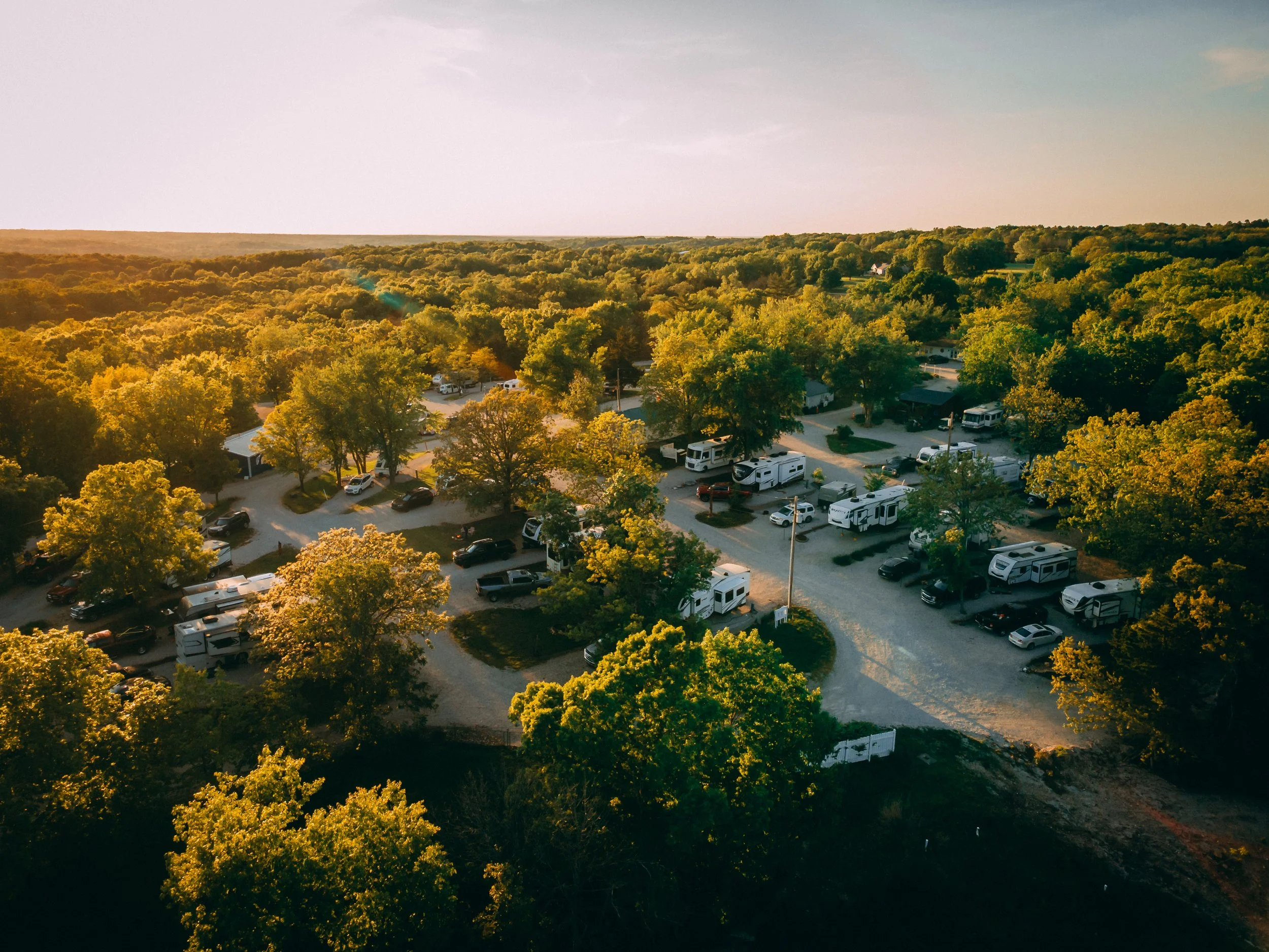
Branding Isn't a Logo. It's the Whole Trail.
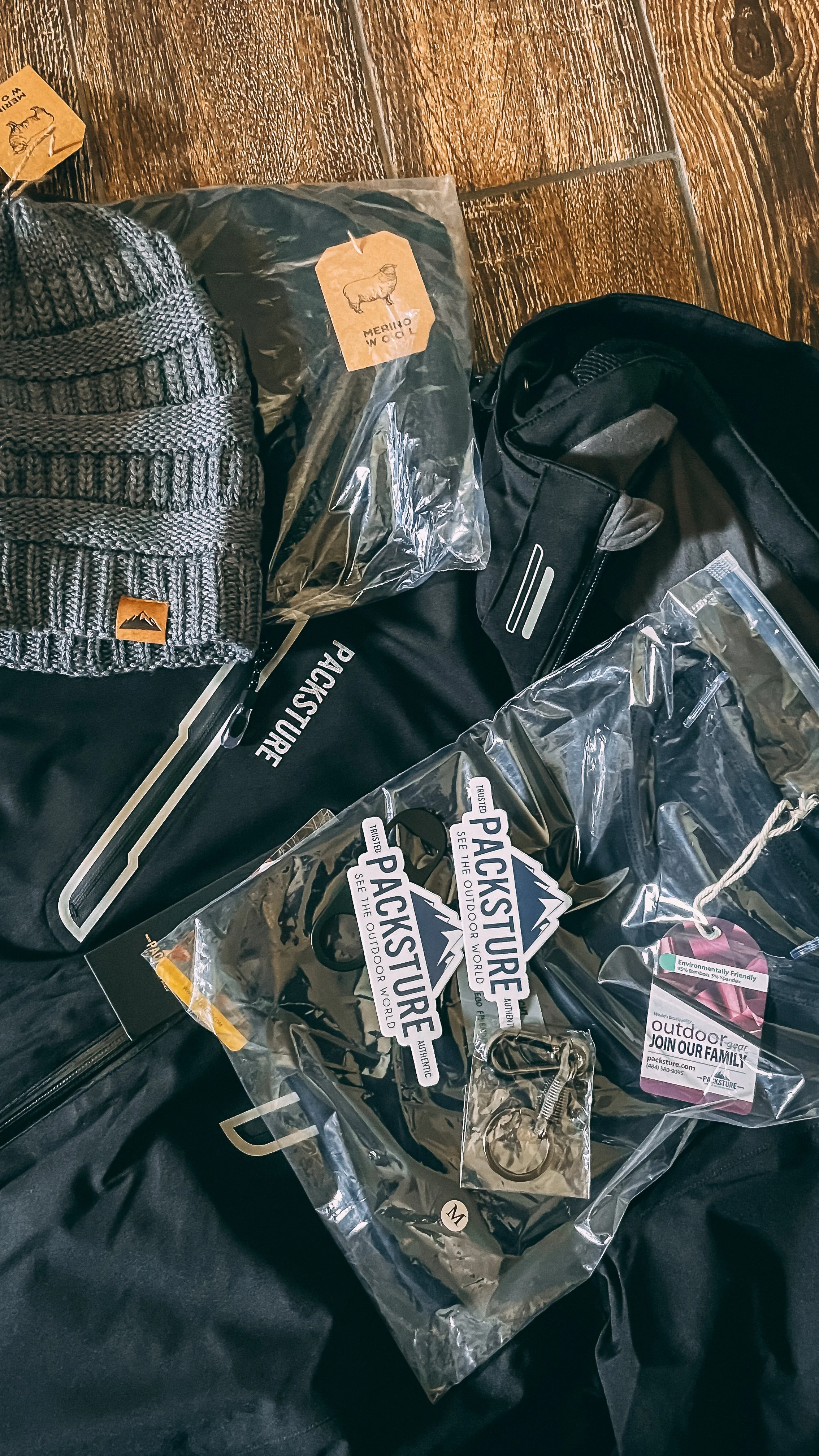
The biggest mistake outdoor and adventure companies make is not always a bad logo, though there are plenty of those. It's the belief that a logo is the brand.
Your brand is everything someone feels before they ever book a trip, buy a piece of gear, or pull into your campground. It's the font choice on your website, the tone of your Instagram caption, the story your team tells at the trailhead. It's whether a customer who's never heard of you looks at your digital presence and immediately thinks, these are my people.
The best outdoor brands understand that every touchpoint is telling a story. They are not successful just because they have a great logo. They are successful because their message, visuals, and values all point in the same direction.
That's what effective branding is. And for outdoor companies, where your customers are deeply values-driven and can smell inauthenticity from a mile away, it's non-negotiable.
The Elements That Matter
1. A Clear Point of View That You Actually Believe
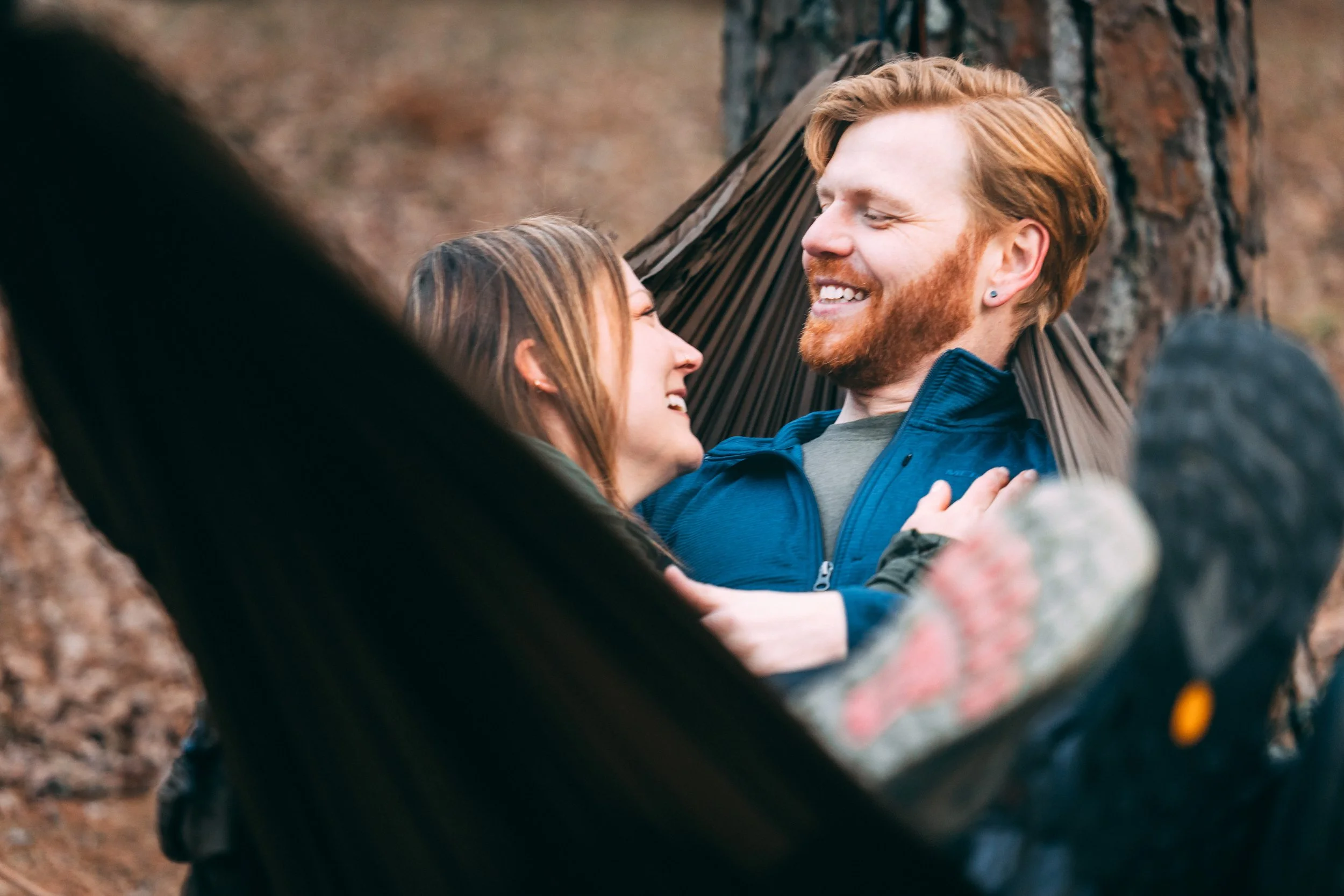
Great outdoor brands have a take. They stand for something specific.
They do not try to be everything to everyone. They know what they believe, who they serve, and what makes them different.
The brands that struggle are usually the ones trying to appeal to every camper, every overlander, every trail runner, and every glamper all at once. In trying to reach everyone, they end up resonating with no one.
If your brand recently changed hands, this is the first conversation to have. Not what colors should the new logo be, but what do we actually believe, and who are we saying it to?
Your point of view does not have to be political. It does not have to be radical. It just has to be real and specific enough that the right person reads it and thinks, finally, someone who gets it.
2. Visual Identity That Earns Trust Before Anyone Reads a Word
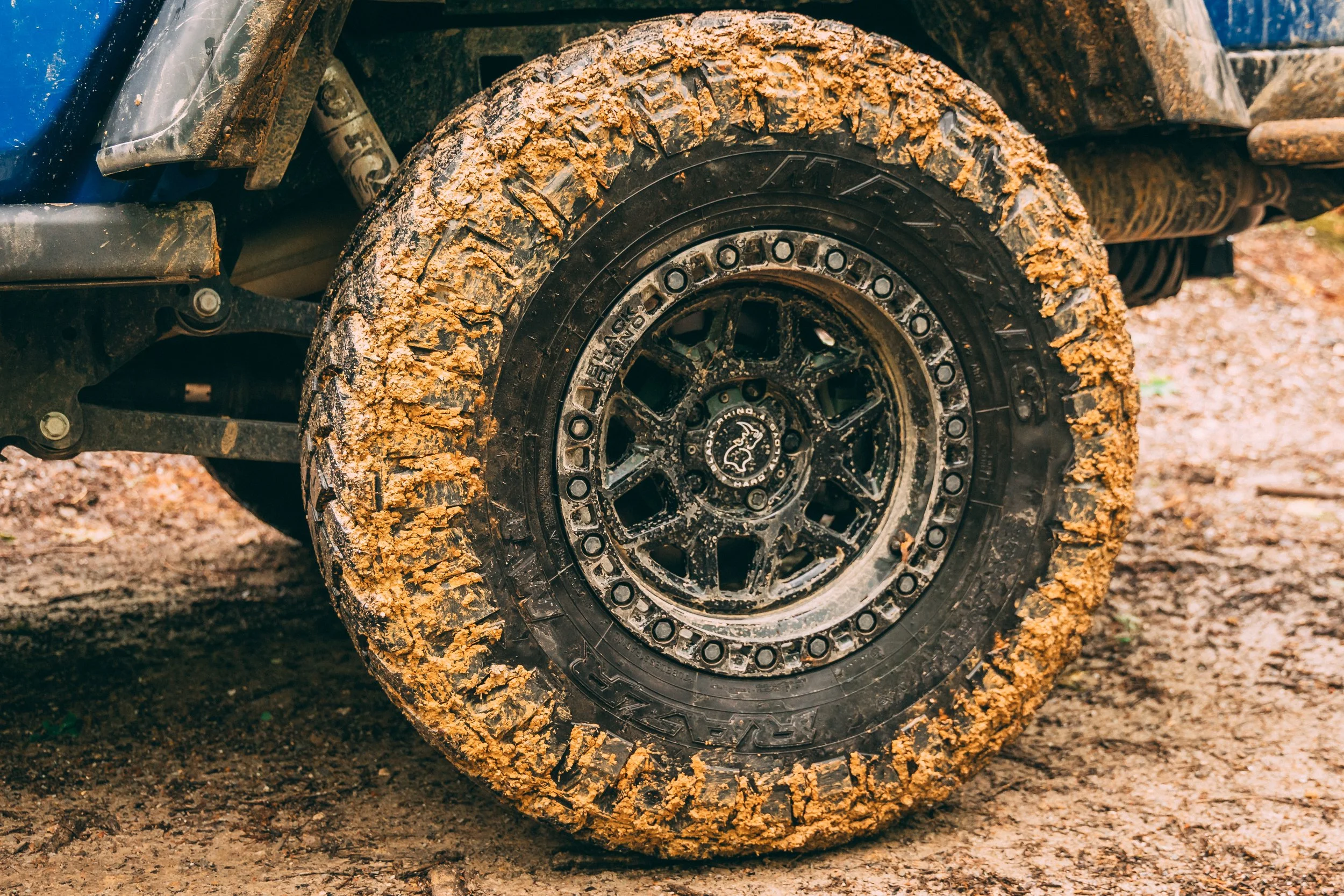
Outdoor consumers make split-second judgments. They're scrolling Instagram between trail runs, browsing gear at 11 p.m. from the couch, and comparing campgrounds on their phones in a parking lot.
Your visual identity, your logo, your photography, your color palette, your website, is doing a job in that split second. It's either earning trust or losing it.
The brands winning right now look intentional. Not over-produced. Not corporate. Just considered. There's a difference between a brand that looks authentic because it was built that way, and a brand that looks like an AI tool stitched it together in one sitting.
That difference often decides whether your ideal customer stops scrolling or keeps moving.
For outdoor brands specifically, a few things matter most:
Photography that puts people in the dirt. Not staged. Not stock. Real moments from real terrain, with real light and real mess.
A color palette that belongs to you. Not just earth tones because you're an outdoor brand, but a deliberate visual system that shows up consistently.
Typography with personality. The font you choose does more emotional work than most people realize. Clean and minimal reads differently than rugged and hand-crafted.
3. A Story Worth Telling That Starts With Why
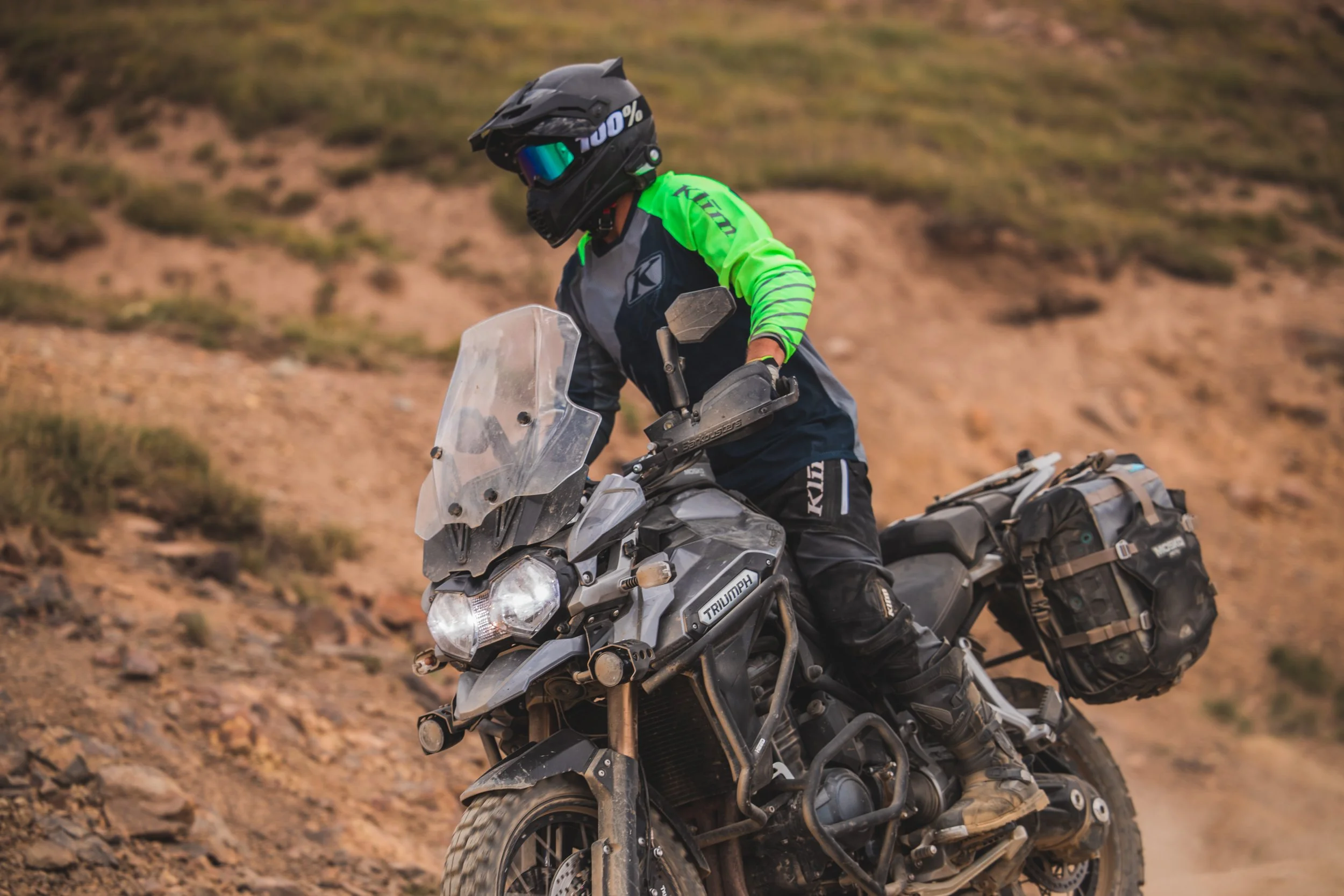
Outdoor consumers are not just buying a product. They're buying into a story about who they want to be.
The person booking a guided kayak trip is not just buying paddling time. They're buying the version of themselves who finally steps away from the desk and shows up for life. The overlander investing in a custom build is not just buying suspension parts. They're buying community, capability, and identity.
Your brand story needs to honor that.
The most effective brand narratives in the outdoor space are built on three things:
Origin. Where did this company come from, and why does it exist?
Values. What does this brand actually stand for, even when it's inconvenient?
Transformation. What does a customer's life look like after they experience what you offer?
This is especially true for brands going through a transition, a new owner, a rebrand, or a refresh. The story of why now is a powerful one. We bought this company because we believed it deserved a second chapter is a compelling narrative. Don't hide it.
4. Consistency Across Every Digital Touchpoint
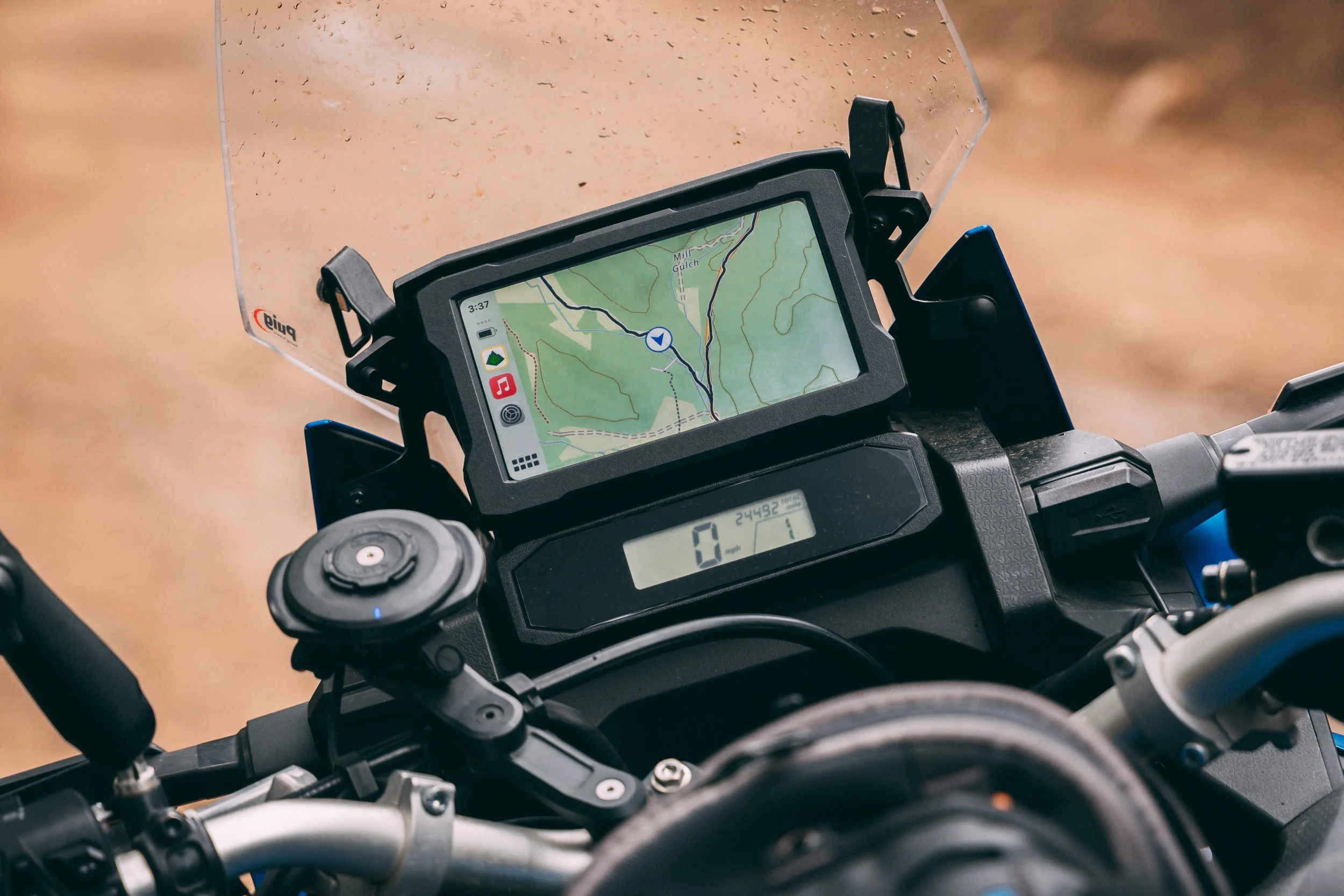
An outdoor brand's digital presence is its trailhead. It's the first thing someone encounters before they decide whether to follow you deeper into the experience.
That trailhead needs to be consistent.
Your Instagram should not feel like a different brand than your website. Your email marketing should not sound like a different person than your social content. The experience a customer has clicking from a post to your booking page should feel seamless, like the same guide walked them the whole way.
This is where most small-to-mid-size outdoor brands fall apart. Not because they're not trying, but because consistency requires a system. A brand guide. An agreed-upon voice. A photography style. A content strategy that's actually written down somewhere.
The companies that feel big, even when they're small, usually have that system. The ones that feel scattered, even when they are doing great work, usually do not.
5. Authenticity That Can't Be Generated
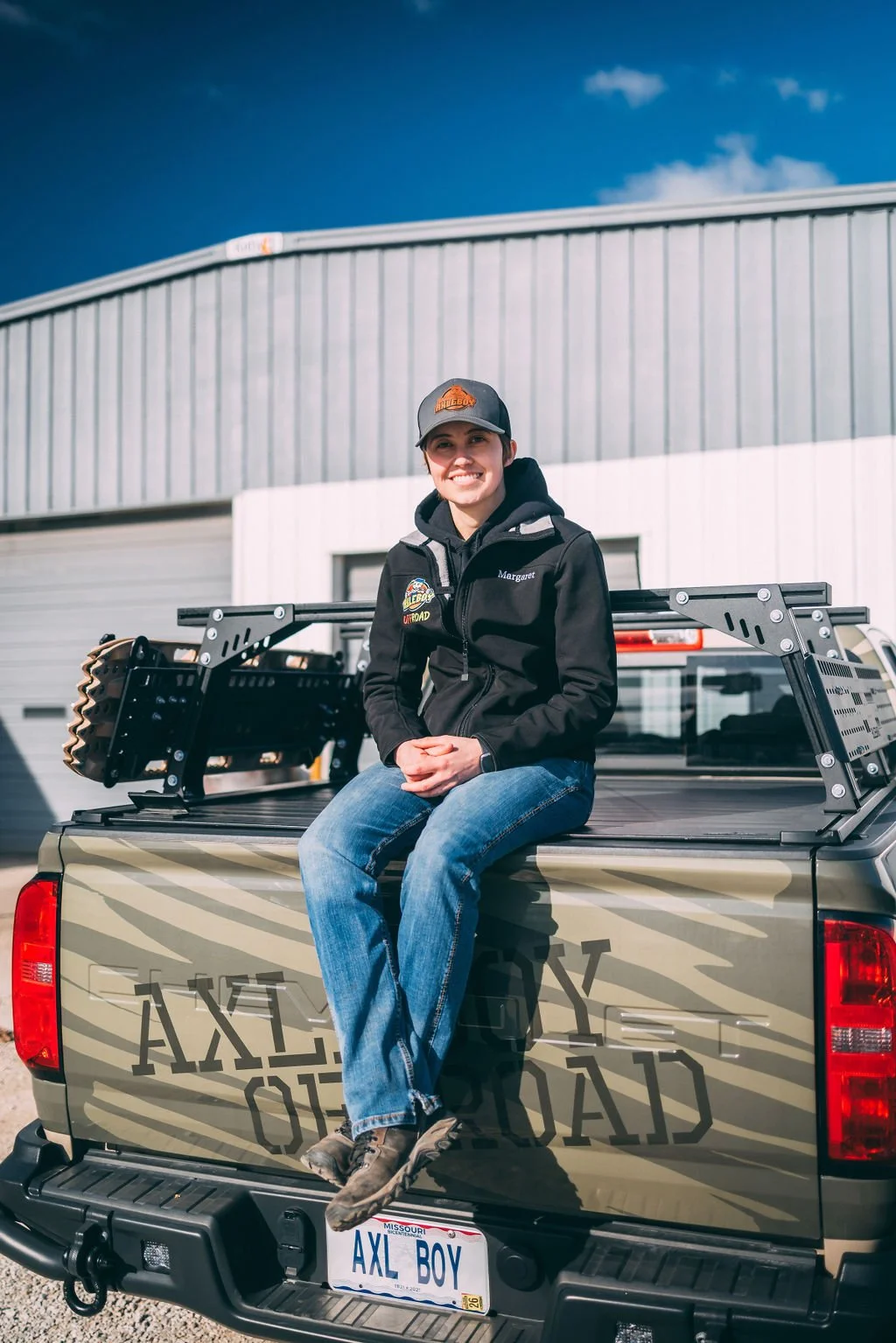
Let's name the thing everyone in the industry is navigating right now.
AI tools are everywhere. They can write your captions, generate your images, and spin up a brand identity in an afternoon. And plenty of brands are using them, and it shows.
Your customers know the difference between content that was made by someone who's been on your trails, knows your staff by name, and understands the smell of rain on red clay, and content that was prompted into existence without any of that.
The outdoor and adventure industry runs on trust. Trust that your gear works. Trust that your guide knows the terrain. Trust that the brand experience matches what's waiting for them at the trailhead.
That trust is built through authentic storytelling. Not polished. Not perfect. But real, rooted in actual people, actual places, and actual experiences.
The brands that are winning right now are the ones doubling down on that realness, not outsourcing it.
A Note on Rebranding
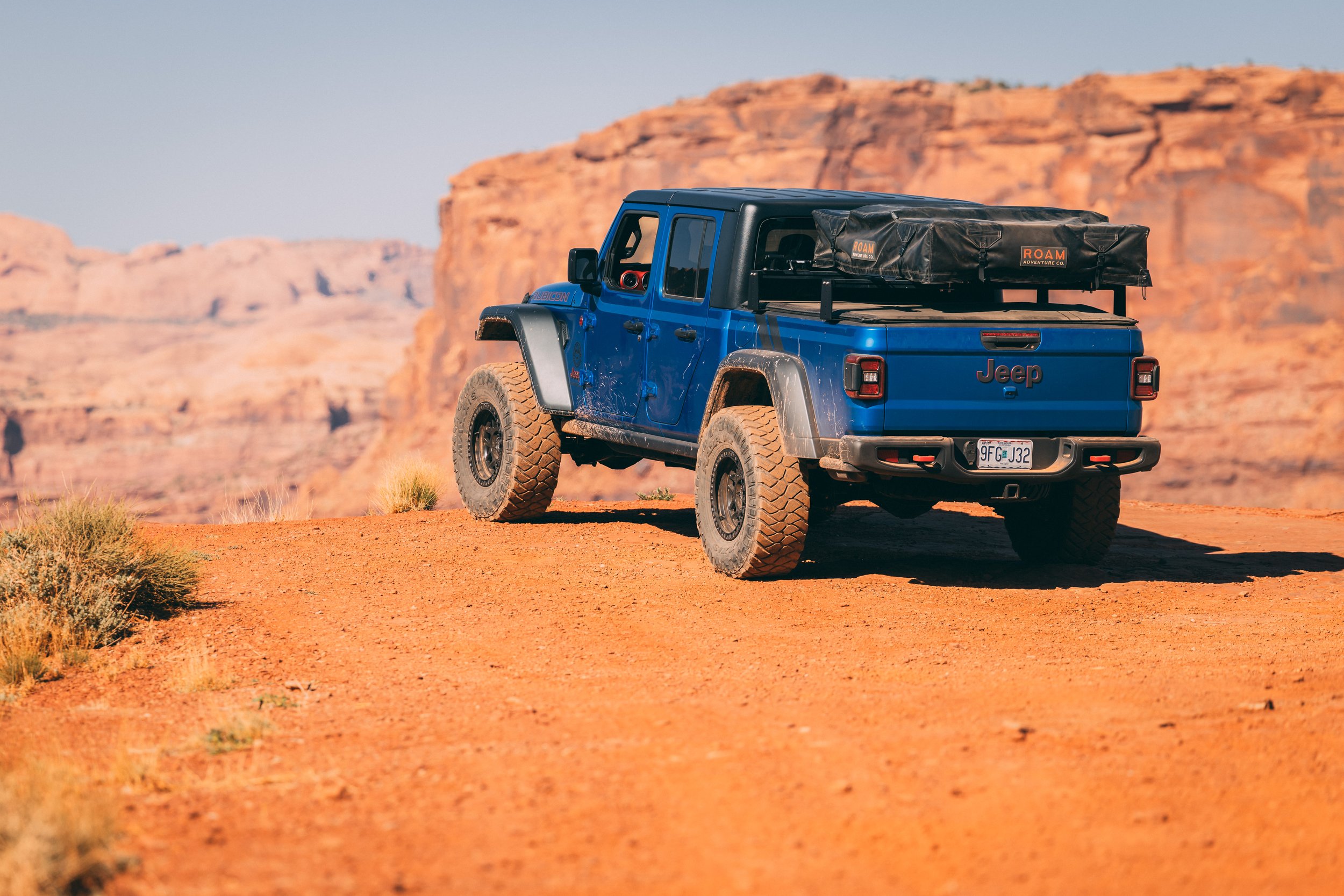
If you've recently acquired an outdoor brand, or if you're looking at your current presence and feeling the mismatch between who you've become and how you're showing up, a rebrand is not a reset. It's a reintroduction.
Done right, it honors what the brand has built while creating space for where it's going. It tells your community, we're still here, we still care, and we're ready for what's next.
Done wrong, it feels like erasure. Or worse, like corporate wallpaper.
The outdoor community has a long memory and a high authenticity threshold. A rebrand that doesn't involve real people, real stories, and a clear point of view is just a new coat of paint on a leaky tent.
This Is What We Do
At Aspen Creative Co., we don't show up with a template and a timeline. We show up with cameras, curiosity, and a genuine love for the kind of companies you've built.
We specialize in helping outdoor and adventure brands, campgrounds and outfitters, overlanding companies and gear shops, cycling tours and RV dealers, destination marketing organizations and experience providers, find the visual identity, the story, and the digital presence that actually matches the experience they offer.
Whether you're starting from scratch, refreshing what's already there, or navigating the complicated middle of a transition, we'd love to hear about it.
Tell us about your project. Let's find out what your brand could look like.
About the Author

Tony Mellinger is the Founder and Chief Creative Officer of Aspen Creative Co., an adventure-focused creative marketing agency based in the St. Louis area. He and his team specialize in branding, video production, and digital strategy for outdoor and adventure brands that want their digital presence to match the experience they deliver in the wild.
Since launching Aspen Creative Co. in 2017, Tony has built long-term partnerships with Jeep clubs, off-road events, destination marketing organizations, campgrounds, guides, and gear brands, helping them grow their communities through authentic visual storytelling rather than cookie-cutter content. His work spans event coverage, cinematic brand films, international documentaries, and digital campaigns that connect brands with people who live for the outdoors.
He doesn't just market the adventure industry. He lives in it, covering off-road events from the trail, riding two wheels on local singletrack, and exploring back roads in his Jeep whenever he gets the chance. Tony believes great adventure brands do not just sell products. They invite people into a story worth telling.