

ᨒ
Lazy Day Campground
Case Study

Lazy Day Campground: Helping a New Owner Show What the Campground Feels Like
"She told me she loved the open space, the quiet, the way the place just lets you exhale. My job was to figure out how you put that in a photo."
-Tony Mellinger
Client Snapshot and Challenge
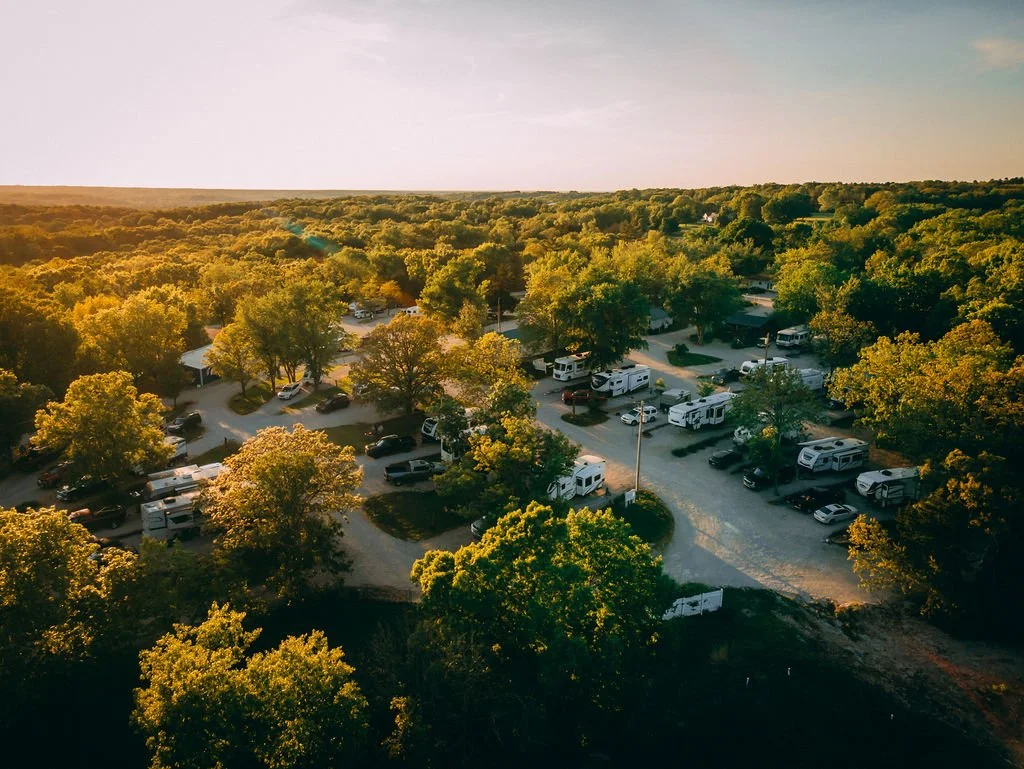
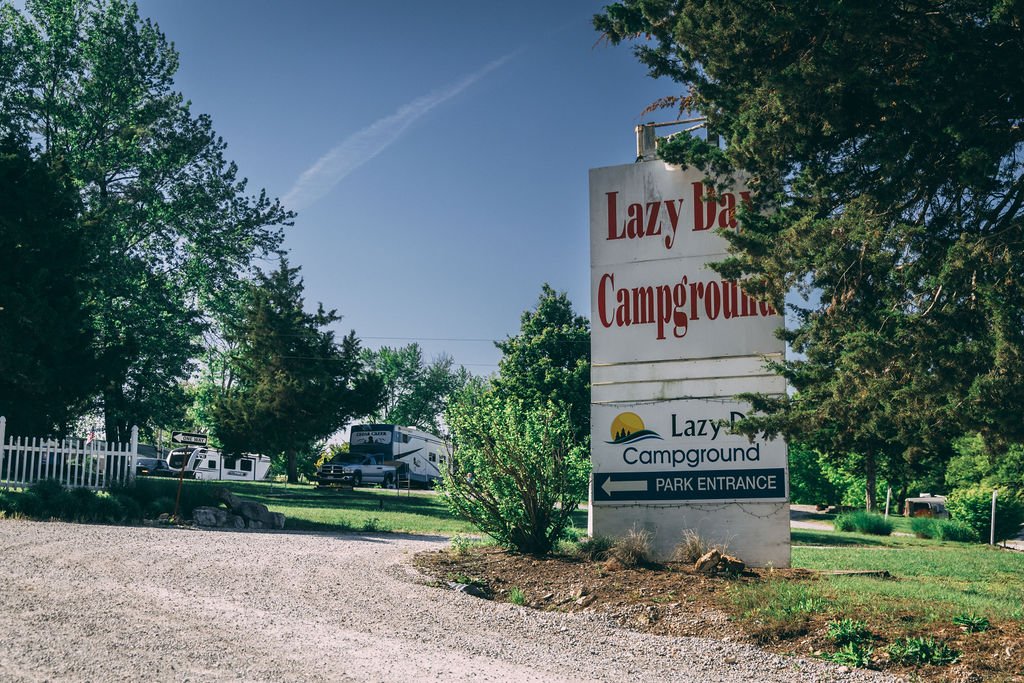
Lazy Day Campground is an RV park and campground that recently changed hands. Jillian Durgin took over ownership in late 2025 and started doing what most new owners do, working through the long list of things that needed updating, from operations and processes to the way the campground showed up online.
The property had real character. Open space, a quiet atmosphere, the kind of relaxed environment that makes people want to stay an extra night. The problem was that none of that came through in the marketing.
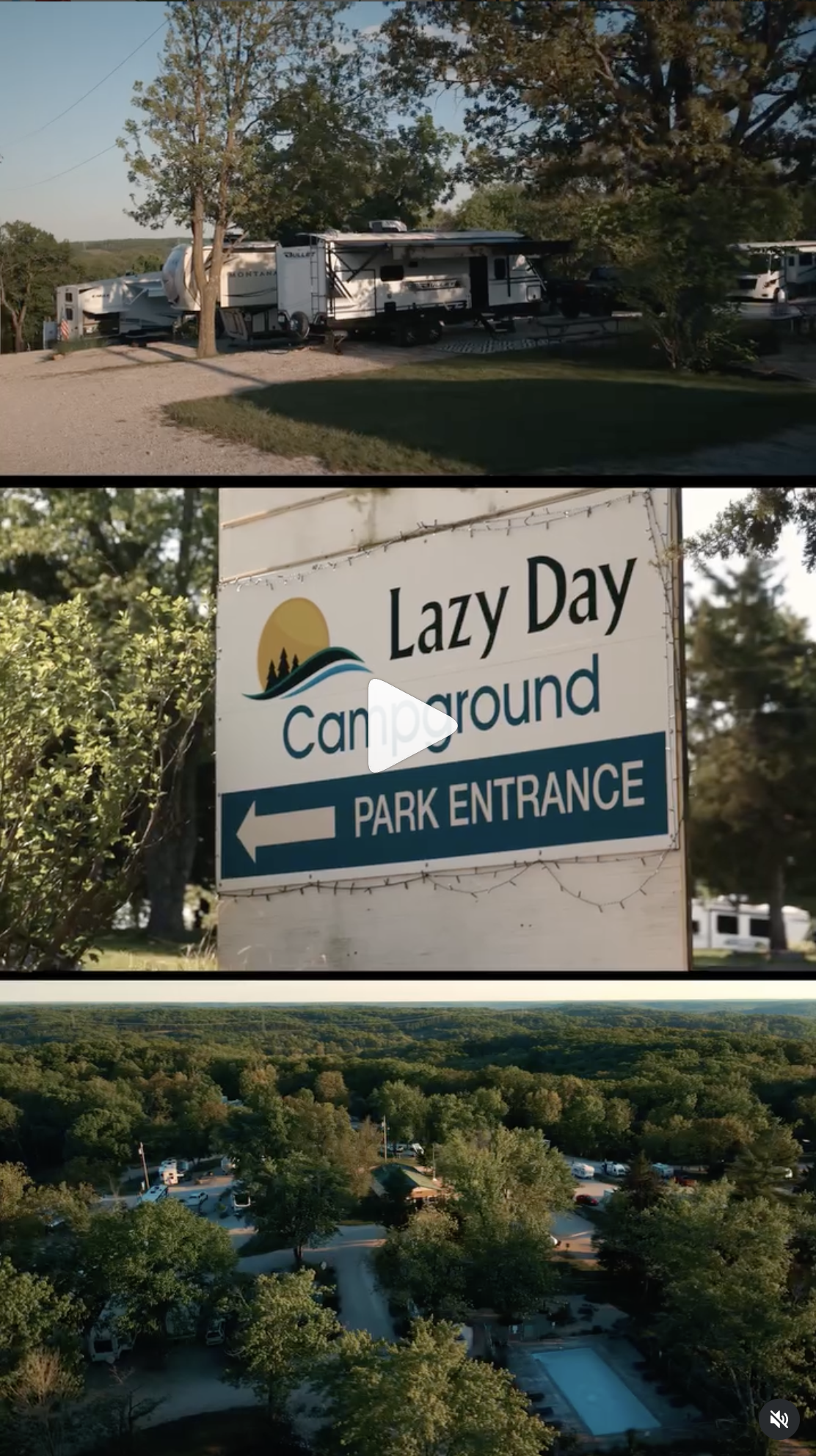
The online presence relied on the kind of generic photos and stock-style imagery that could belong to any campground in any state. It did not show what makes Lazy Day worth the drive.
As a new owner inheriting an existing business, Jillian was wearing every hat at once. Marketing was competing with operations, guest experience, and the dozens of process updates that come with taking over a property.
There was no flagship piece of visual content, no real library of photos and video that captured the property across a full guest experience.
The feeling of the place, the part that actually drives bookings, was the hardest thing to communicate and the thing most likely to get lost in a quick phone snapshot.
Why the brand experience mattered
“The feeling of a place is the hardest thing to communicate.”
Goals and Success Metrics
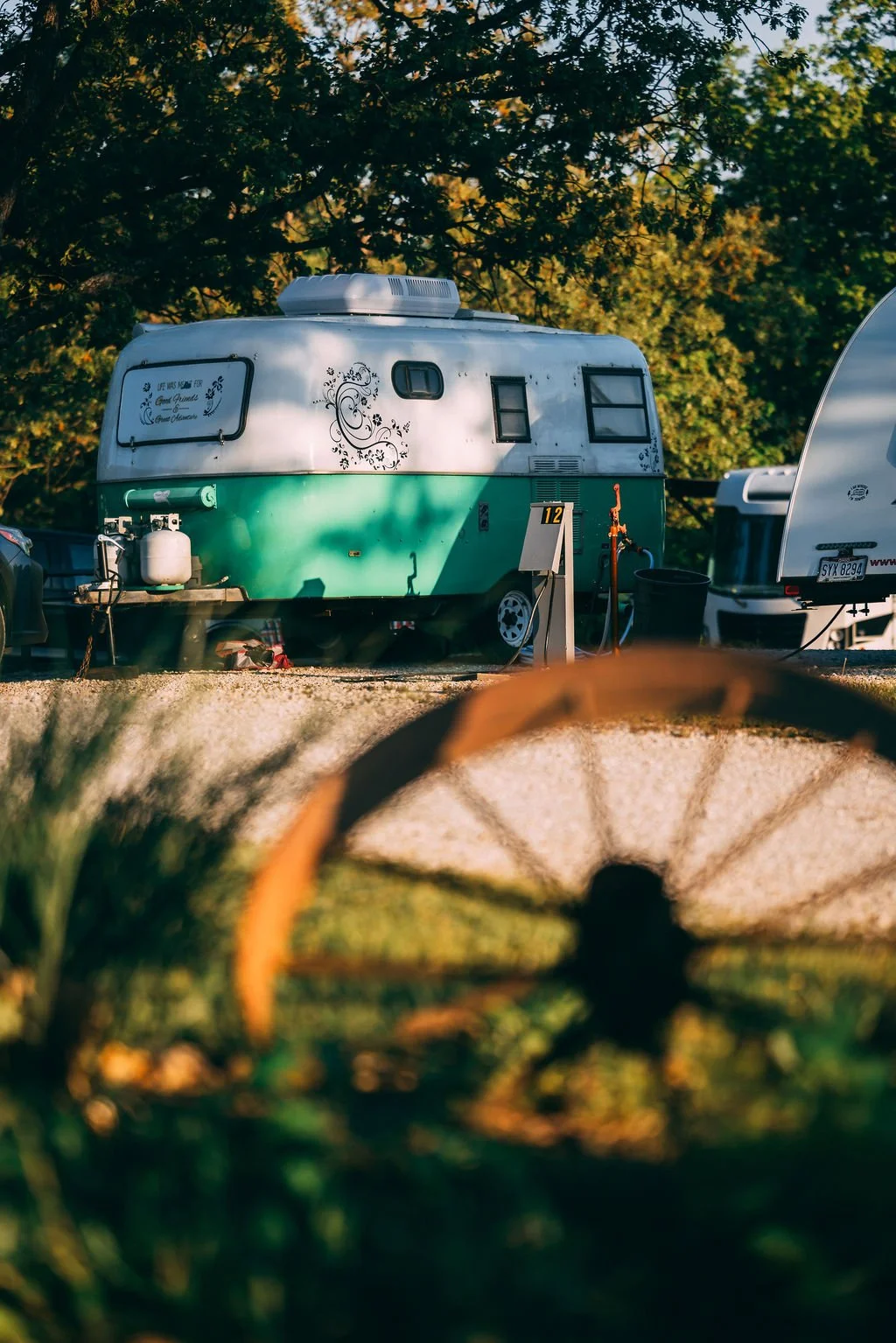
Initial goal: Capture the real Lazy Day Campground experience on camera, the way a guest actually lives it, so the marketing finally looks like the place.
Expanded goals:
1. Give Jillian a foundational content library she can pull from across the website, social media, and listings.
2. Create a looping website video and an owner introduction video that establish trust the moment someone lands on the page.
3. Build a set of social-ready videos and photography tuned to how campers and RVers actually search and scroll.
4. Translate the quiet, open, relaxing feel of the property into images that make someone stop scrolling and start looking for directions.
Strategy: The Aspen Creative Co. Approach
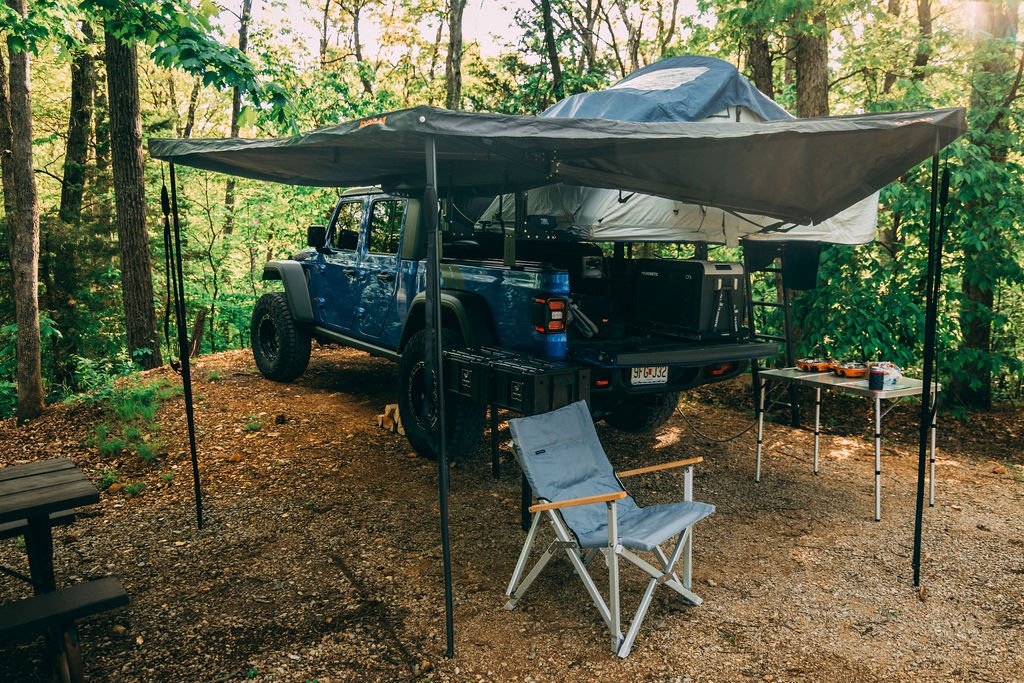
We camped there before we shot anything
You cannot photograph a feeling you have not experienced. So before any real production started, Tony booked a stay and camped at Lazy Day for a couple of nights. That meant living the arrival, the evenings by the fire, the mornings, and the slower pace the property is built around. That stay is what made the work specific. It is the difference between content that looks like a campground and content that looks like this campground.
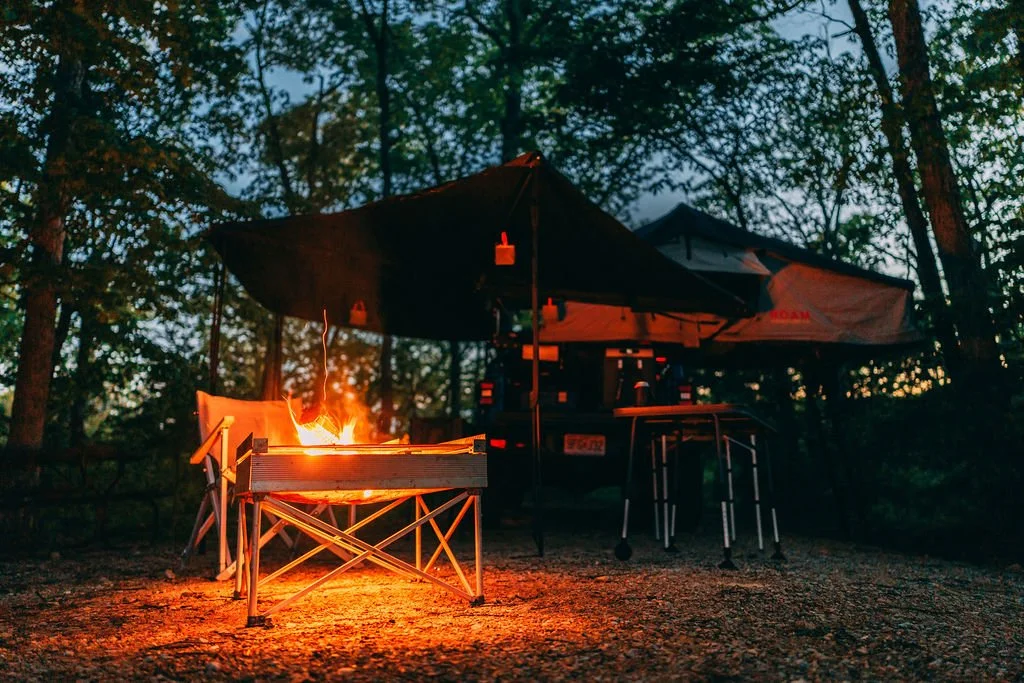
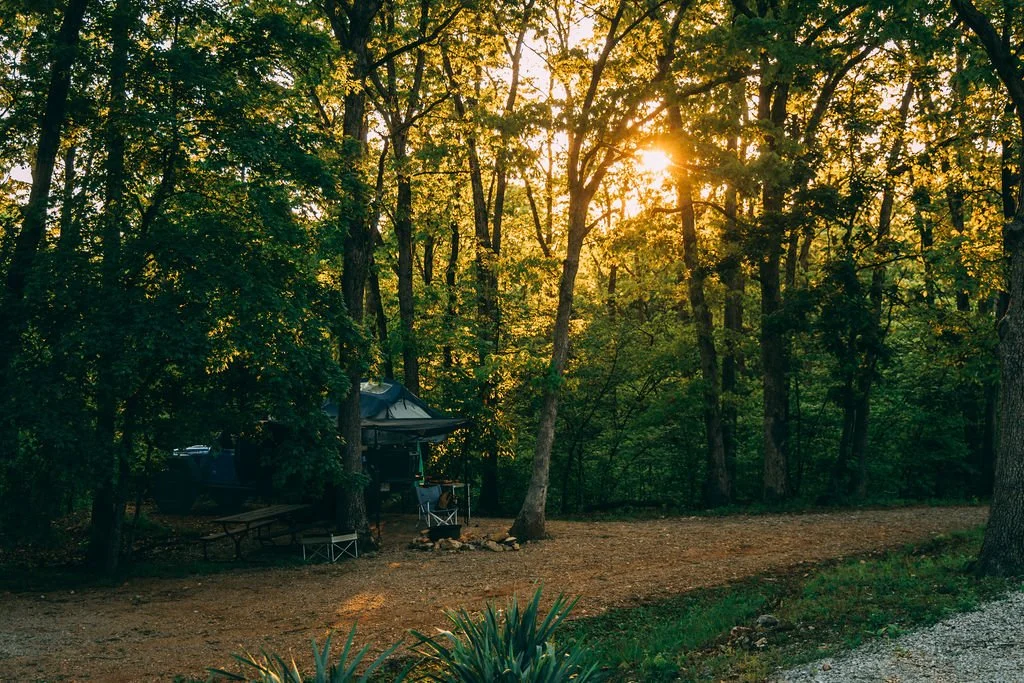
We listened to the owner's vision first
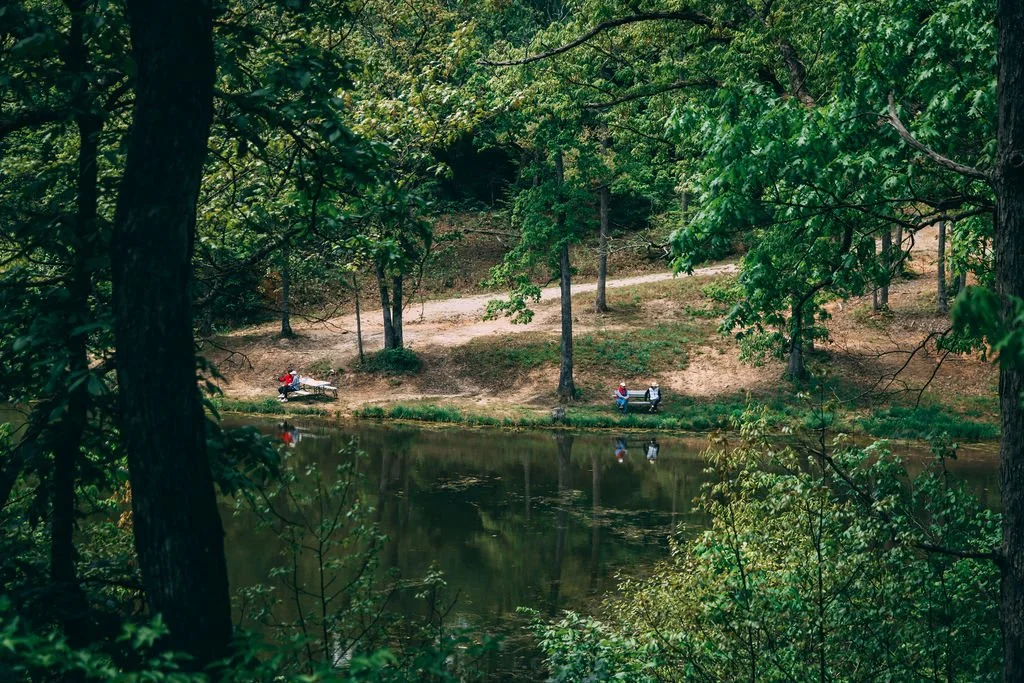
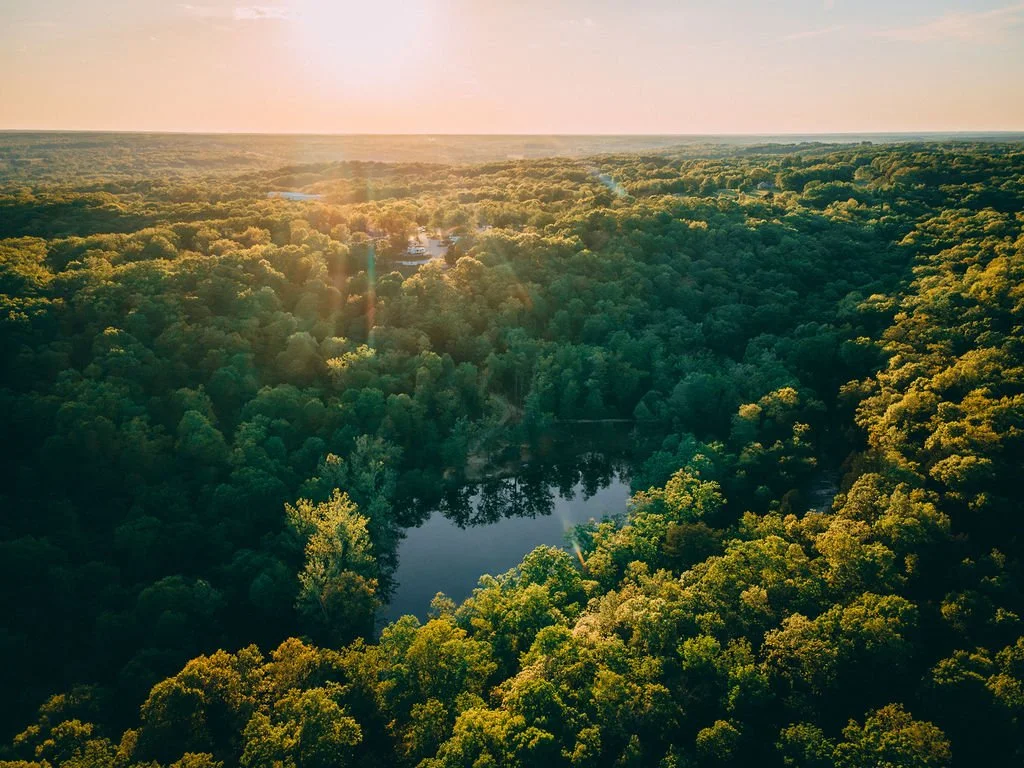
One of the first conversations with Jillian was about what she loved most, the open space, the quiet, and the relaxing environment guests feel when they are there. That became the creative brief. Every shot had a job, which was to make a stranger feel that same exhale before they ever arrived.
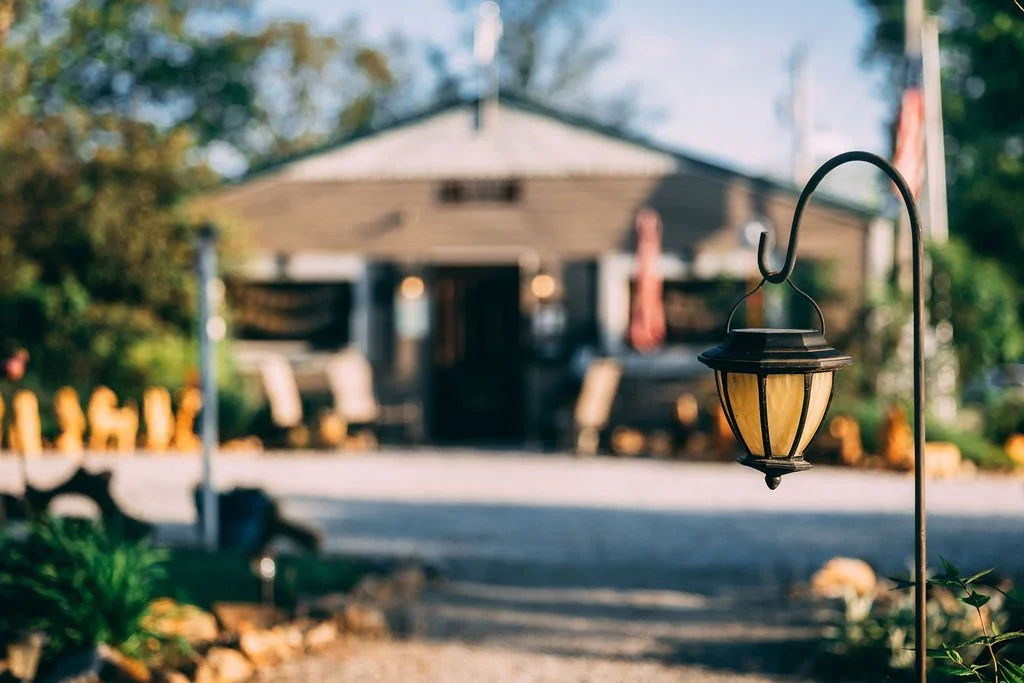

We brought ideas specific to campgrounds and RV parks, not generic marketing
Campgrounds and RV parks do not market like coffee shops or coaching businesses. Seasonality, the booking decision, and the way people picture a place before committing a weekend to it all shape what the content needs to do. We brought ideas built around how this particular industry actually works, not a template borrowed from somewhere else.
We built a library, not a one-off
A single shoot is a moment. A library is a system. The goal was to leave Jillian with enough photography and video to fuel the website, social, and listings for months, so marketing stops being one more thing she has to find time to create from scratch.
Visuals that show the place in motion
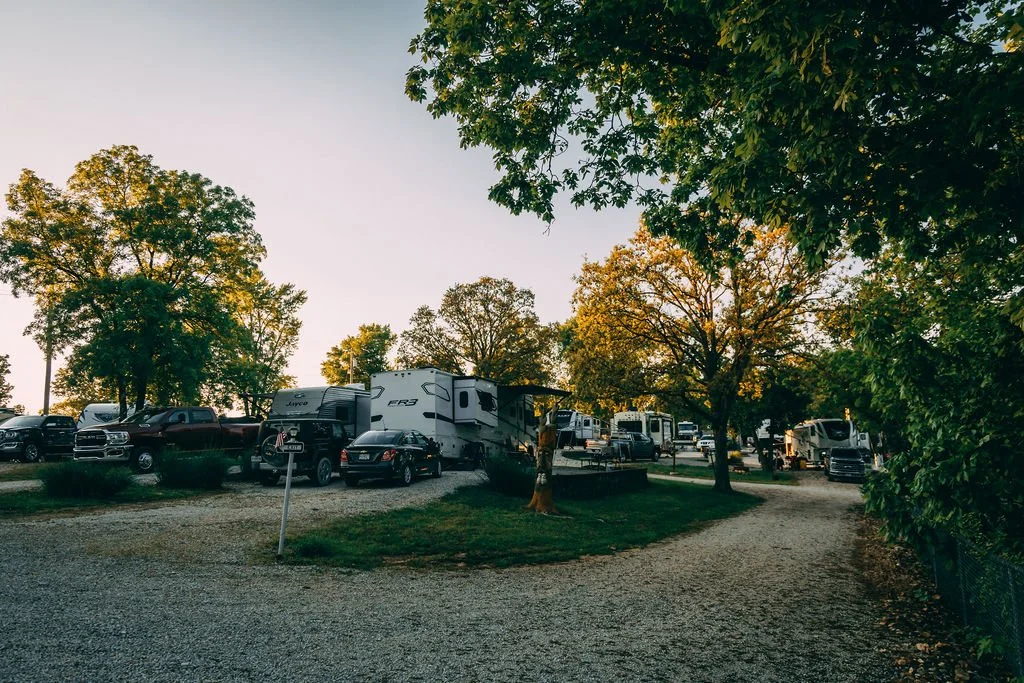
We produced a looping website video so visitors feel the experience the second they arrive, before they read a word, plus an owner introduction video so prospective guests meet Jillian and feel the personal, hands-on ownership behind the place.
Execution: The Work
Stay and experience the property.
Camped on-site for multiple nights to understand the guest journey, the atmosphere, and the moments worth capturing.
Owner and vision sessions.
Walked through ideas with Jillian, listened to her goals for the campground, and shaped a content plan around the open, quiet, relaxing feel she wanted to lead with.
On-location photography.
Captured the property across the full experience, from arrival to campfire, in the light and conditions that make it feel real.
Website looping video.
Produced a background video for the site that shows the experience in motion the second a visitor arrives, before they read a word.
Owner introduction video.
Filmed an intro with Jillian so prospective guests meet the new owner and feel the personal, hands-on ownership behind the place.
Social-ready video and content set.
Delivered a set of social videos and photography formatted for how campers and RVers actually browse and decide.
Results: The Measurable Impact
Results at a glance
A complete on-location content library spanning photography, a website looping video, an owner introduction video, and social videos.
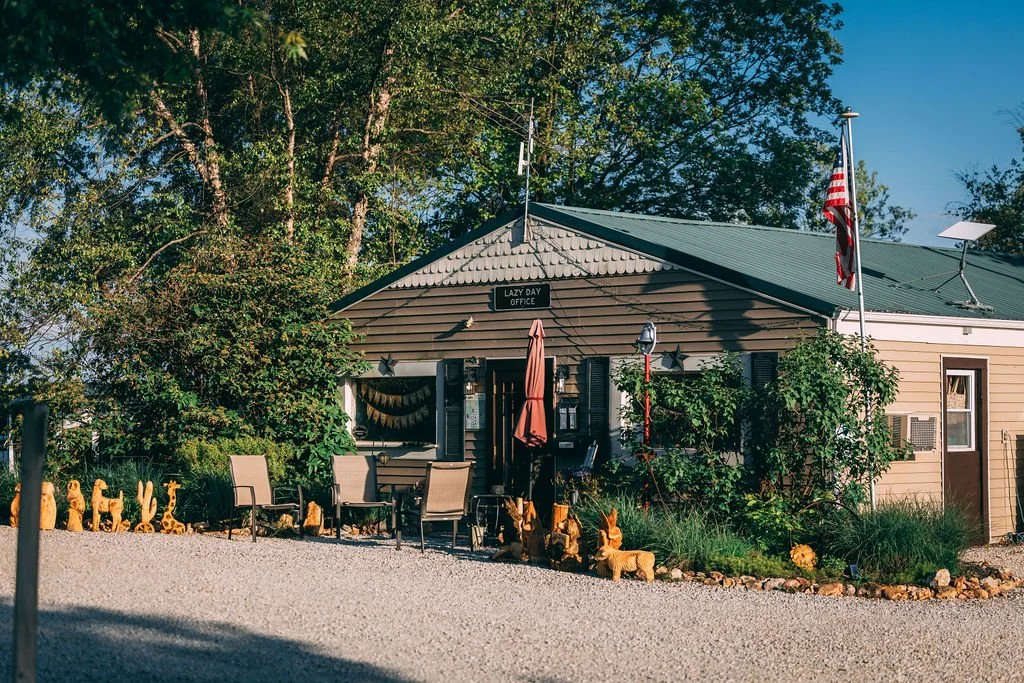
Marketing assets that show the actual property and atmosphere instead of generic stock-style imagery.
A new owner equipped with content she can deploy across web, social, and listings without starting from scratch each time.
A five-star public review and a partnership both sides want to continue.
Why This Worked for a Place That Sells a Feeling
Lazy Day's biggest challenge, communicating an atmosphere rather than a product, is exactly why an on-location, experience-first approach worked.
You cannot fake a place. On-location content does something stock and AI-generated photos never can. It lets people feel the property before they arrive, and that feeling is what turns a scroll into a booking.
Listening to the owner is the strategy. The whole creative direction came from one honest conversation about what Jillian loves about the property. When the marketing reflects the owner's real reason for caring about the place, it reads as authentic to guests too.
Industry-specific beats generic every time. Campgrounds, RV parks, and glamping operators have their own rhythms, seasons, and buying decisions. Content built for how this industry actually works will always outperform a template borrowed from another niche.
A library removes the bottleneck. For an owner-operator wearing every hat, the hardest part of marketing is finding time to make it. Leaving Jillian with a deep content library means the campground can stay visible without adding another full-time job to her plate.
A Foundation the New Owner Can Build On
Taking over a campground means inheriting someone else's systems and slowly making the place your own. The marketing should be part of that, not an afterthought.
By camping on-site, listening to Jillian's vision, and building content that captures the open, quiet, relaxing experience guests actually come for, we helped Lazy Day's marketing finally look and feel like the property itself. That is the foundation a new owner can build the next season on.
Key Takeaways for Other Campgrounds and Glamping Operators
If your property sells a feeling, the open space, the quiet, the slower pace, you have to show it, not describe it. Lead with on-location photo and video, not stock imagery.
Let the owner's real reason for loving the place drive the creative. Authenticity is the whole product in outdoor hospitality.
Hire someone who understands campgrounds and RV parks specifically. The booking decision and the seasonal calendar change what your content needs to do.
Use your website and listings to make a guest feel the place before they read a single line of copy.
Build a content library, not a one-time shoot, so your marketing keeps running even when you are slammed with operations.